
Protecting the beauty of a natural perfume
A natural perfume is much more than a simple fragrance. It's made of living ingredients drawn from nature, and every drop tells a story. The essential oils, absolutes, and plant extracts that compose it carry an exceptional aromatic richness and it's precisely that richness that calls for a bit of care.
Well preserved, a natural perfume can accompany you for many years while gradually revealing new nuances. Like wine, some materials grow richer with time, gaining roundness, depth, and harmony. It's actually one of the things I love most about this craft: watching a perfume keep evolving long after it leaves the studio, as if it were carrying on its own story once it reaches you. Here are a few tips to help preserve the beauty of your perfume.

Why is a natural perfume more sensitive?
Unlike most traditional perfumes, which combine natural materials with synthetic molecules, a natural perfume is made exclusively from plant-based raw materials. These essences naturally contain hundreds of aromatic molecules that react to their environment.
Light, heat, and oxygen can, over time, alter some of these molecules. This isn't a flaw, it's a natural phenomenon. Like a fine wine that evolves in a cellar, or a quality olive oil that needs protection from light, a natural perfume simply deserves to be kept in good conditions.
It's also what I try to explain, during workshops, to those discovering natural perfumery for the first time: this sensitivity isn't a fragility to fear, it's the signature of a living material. And that's exactly what makes it so fascinating to work with.
Why choose a black or amber bottle?
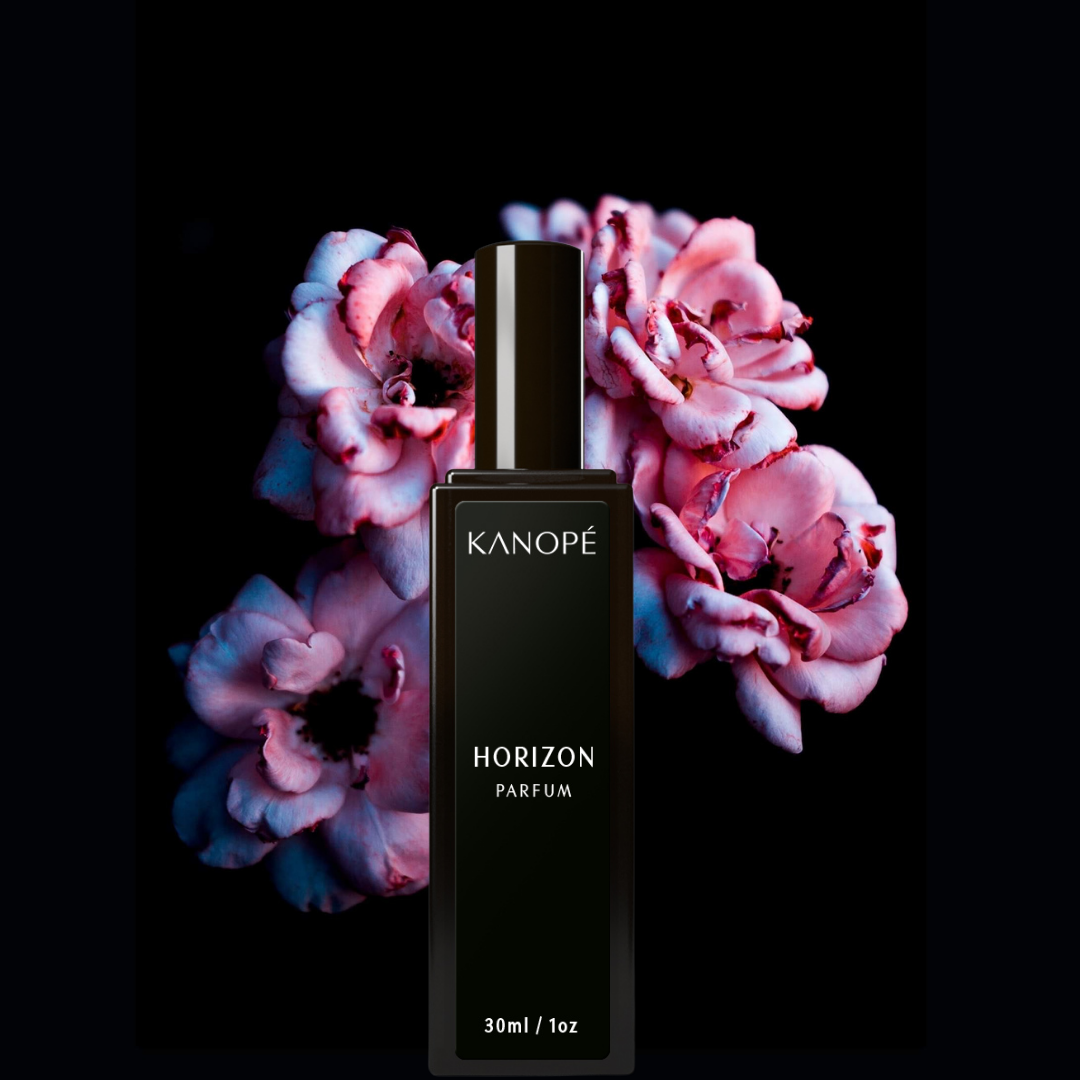
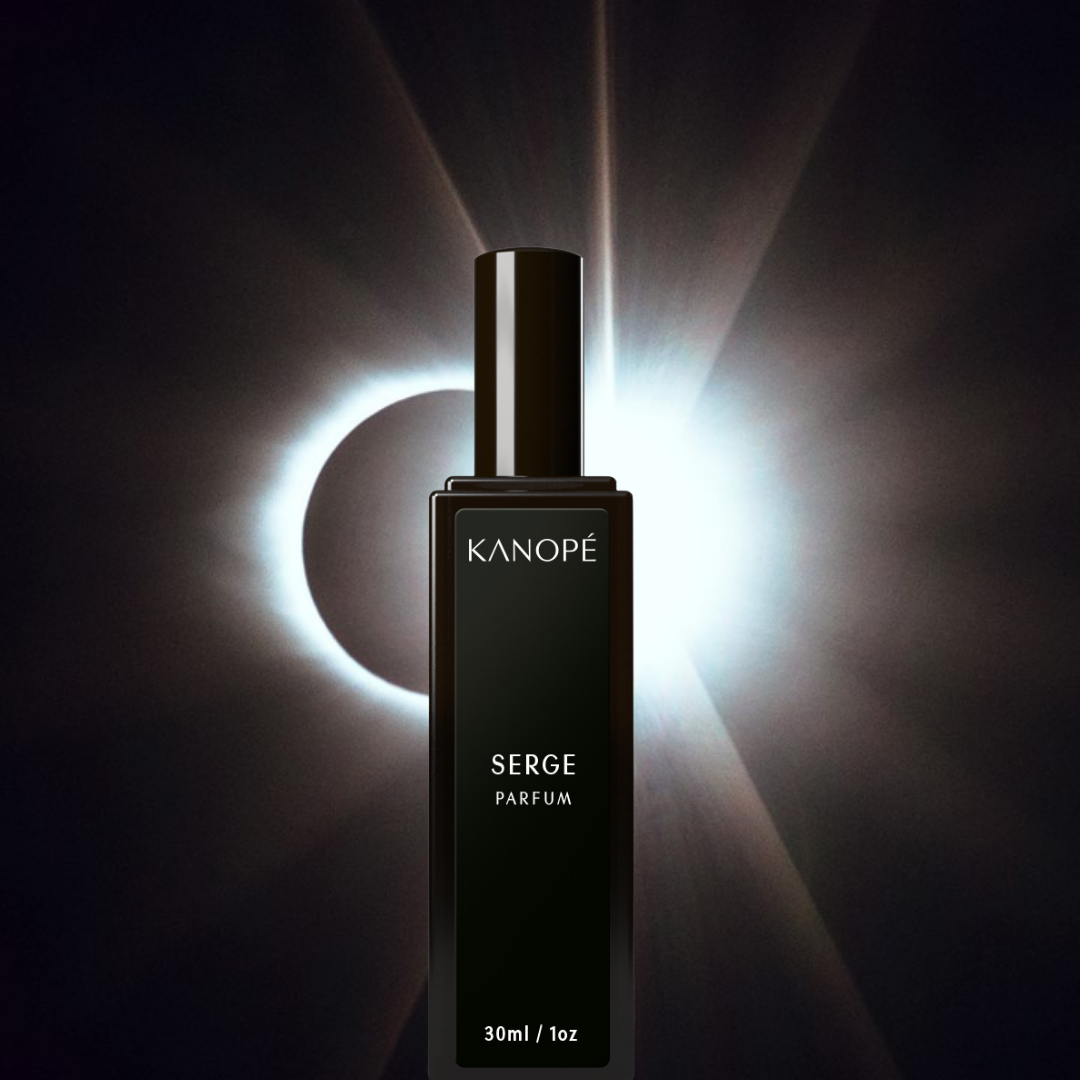
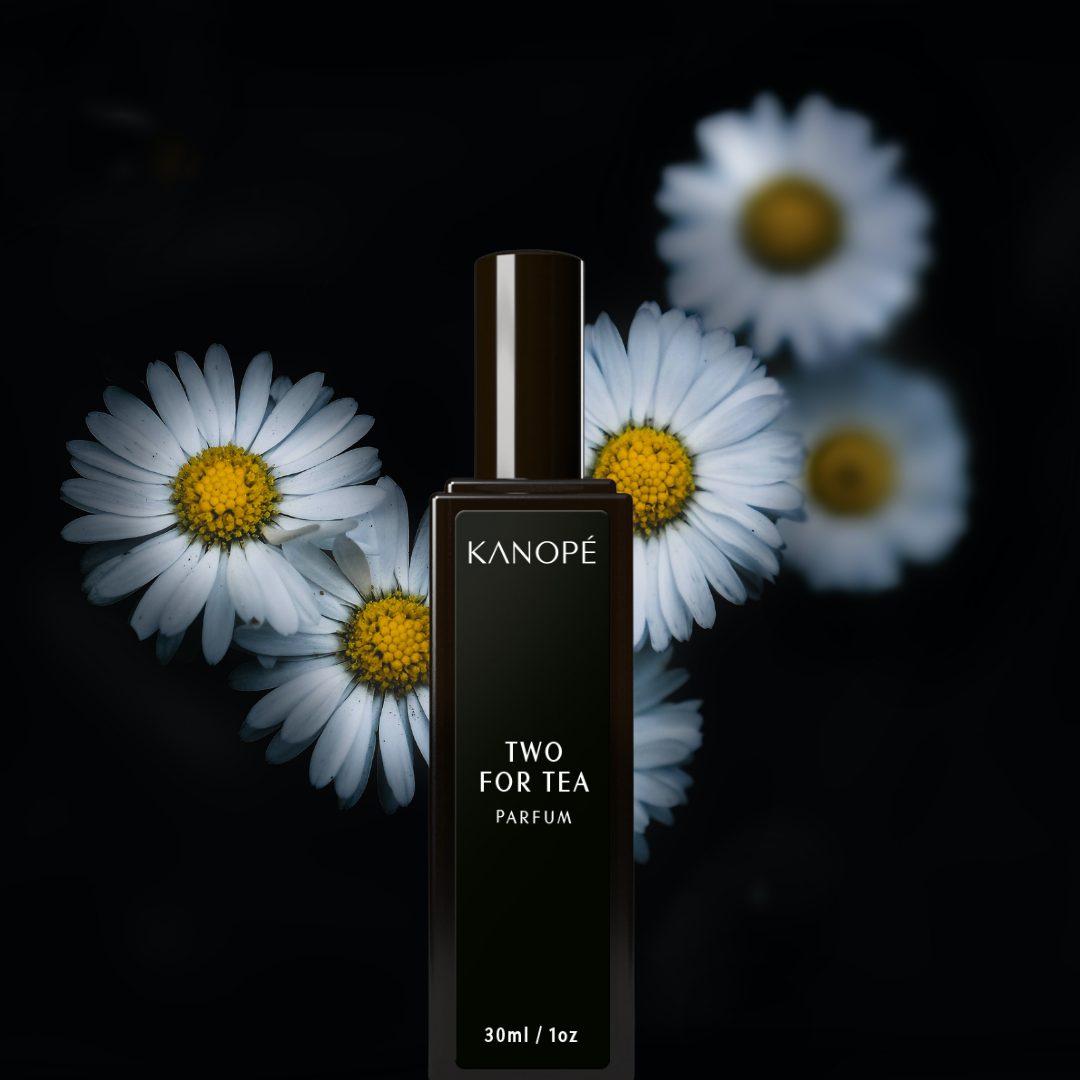
Have you ever noticed that essential oils are almost always sold in amber or dark bottles? That's no coincidence. And while not every natural perfume brand has adopted this habit, at Kanopé, it's a principle I hold to: what nature offers us that is most precious deserves to be protected in the same way.
Tinted glass acts as a true shield against ultraviolet (UV) rays, which are responsible for the breakdown of many aromatic molecules. Essential oils are especially sensitive to light. Once diluted in an alcohol base, their sensitivity decreases, but it remains essential to protect the perfume in order to best preserve the quality of the raw materials and their evolution over time.
We've chosen black for our own bottles — a colour we love for its aesthetic and elegance, but one that also plays this protective role, slowing the perfume's aging and preserving its olfactory balance for longer. It's a detail that's rarely noticed, and yet it says a lot about the care put into what's inside.

The three enemies of a natural perfume
Light. The sun's rays, and UV rays in particular, accelerate the oxidation of many natural materials, including citrus, delicate flowers, certain resins, and coniferous essential oils. Avoid leaving your perfume near a window or on a sunlit ledge. For extra protection, you can also keep it in its original box, which offers an additional shield from light.
Heat. High temperatures speed up the natural evolution of raw materials. It's best to store your perfume in a room with a relatively stable temperature. Avoid leaving it in a hot car in summer, near a radiator, or on furniture exposed to direct sunlight.
Air. Every time the bottle is opened, a small amount of oxygen comes into contact with the perfume. This exposure is very limited with a spray bottle, but it's still best to close the cap promptly after each use to limit oxidation.
Where should you store your perfume?
The best spot is often simpler than you'd think:
- in a bedroom or dressing room;
- away from direct light;
- in a room with stable temperature;
- away from sources of heat.
The bathroom often comes to mind, but its significant swings in temperature and humidity make it a poor choice for storing perfume over the long term.
My perfume is changing colour. Is that normal?
Yes, absolutely and it's actually one of the questions I get asked most often, whether in workshops or in the shop.
Over the months, certain natural materials can darken slightly. This is especially common with resins, balsams, vanilla, some woods, and certain citrus essential oils. This evolution is perfectly normal and doesn't mean your perfume has spoiled. In many cases, it retains all its olfactory qualities and can even gain roundness and depth.
How long does a natural perfume last?
There's no universal answer, since every creation has its own composition. When kept away from light, heat, and humidity, a natural perfume can retain all its qualities for many years.
Fresh citrus notes tend to evolve more quickly, while woods, resins, spices, and balsams often develop even greater richness over time. It's one of the most beautiful qualities of natural perfumery: a perfume is alive.
A few simple habits to extend its beauty
- Keep your perfume in its original bottle.
- If possible, store it in its box to shield it from light.
- Avoid prolonged exposure to sunlight.
- Never leave your bottle in a hot car.
- Always close the cap carefully after each use.
- Choose a cool, dry spot with a stable temperature.
A living creation
When I create a perfume, I work exclusively with natural raw materials, chosen with care for their aromatic richness and authenticity. Because they are alive, these materials sometimes continue to evolve over time. Well protected, your perfume doesn't lose its soul: it matures gently, reveals new facets, and accompanies your story through the seasons.
Taking care of your perfume is also a way of taking care of what nature offers us that is most precious. If you'd like to get a closer look at how these raw materials behave and evolve, our natural perfume workshop is a lovely way to dive into this world. And for those who'd rather experiment at home, our olfactive kit lets you create — and learn to preserve — your own perfume, at your own pace.


Leave a comment